Introduction to DDR5
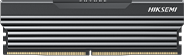
DDR5, the fifth generation of Double Data Rate Synchronous Dynamic Random-Access Memory (SDRAM), represents a significant leap forward in memory technology. It was designed to meet the demands of increasingly data-intensive applications. DDR5 is not just an incremental improvement over DDR4; it introduces a range of innovative features that enhance performance, reduce power consumption, and bolster data integrity.

Key Innovations and Features of DDR5
Higher Data Rates: DDR5 starts at a base speed of 4800MT/s,* a significant uplift from DDR4's peak of 3200MT/s. This translates to a 50% increase in bandwidth, providing more headroom for data-hungry applications and systems.
Lower Voltage Operation: DDR5 operates at 1.1V, compared to DDR4's 1.2V, resulting in approximately 20% reduced power consumption. This power efficiency is crucial for both mobile devices, extending battery life, and for data centers, reducing overall energy costs.
Increased Memory Density: DDR5 is designed to support memory modules with higher capacities, reaching up to 128GB per module, doubling DDR4's maximum capacity of 32GB.

On-Die ECC (Error-Correcting Code): DDR5 introduces on-die ECC to correct bit errors within the SDRAM chips, enhancing data reliability and reducing the defect rate.
Dual 32-bit Sub-channels: DDR5 splits the memory module into two independent 32-bit sub-channels, improving the efficiency of data access and reducing latency.
Decision Feedback Equalization (DFE): DDR5 employs DFE to ensure signal stability and reliability at heightened bandwidths.
Power Management Integrated Circuit (PMIC): DDR5 modules integrate a PMIC for optimized power distribution and diminished noise interference.
Serial Presence Detect (SPD) Hub: A novel feature of DDR5 is SPD Hub, which consolidates SPD EEPROM with additional hub functionalities, streamlining external controller access and segregating memory load from the external bus.
Extended Temperature Sensors: Server-grade DDR5 RDIMMs incorporate temperature sensors for comprehensive thermal monitoring, enabling refined thermal management.
Increased Column Count and Burst Length: DDR5 increases the number of columns from 16 to 32 and the minimum burst length from 8 to 16, improving data bus efficiency.
Enhanced Refresh Mechanism: DDR5 introduces SAME-BANK Refresh, allowing for more efficient memory operations by refreshing only a single column within a column group.

DDR5 vs. DDR4: Comparative Analysis
DDR5's advancements over DDR4 are not just about higher speeds and lower power consumption. DDR5's architecture and features are designed to handle the future's computational demands, offering better performance across various metrics, including data transfer rates, power efficiency, and data reliability .
Future of DDR Technology
DDR5 marks a significant leap in computing, delivering a suite of enhancements that will energize next-gen devices—from powerful servers to cutting-edge consumer electronics. As it gains market traction, DDR5 is already paving the way for future DRAM advancements. Designed to satisfy the demands of the coming decade, DDR5 is a bridge to the ongoing evolution of memory tech.
*Note: The actual achievable speed and performance may vary based on the system configuration and other factors.